
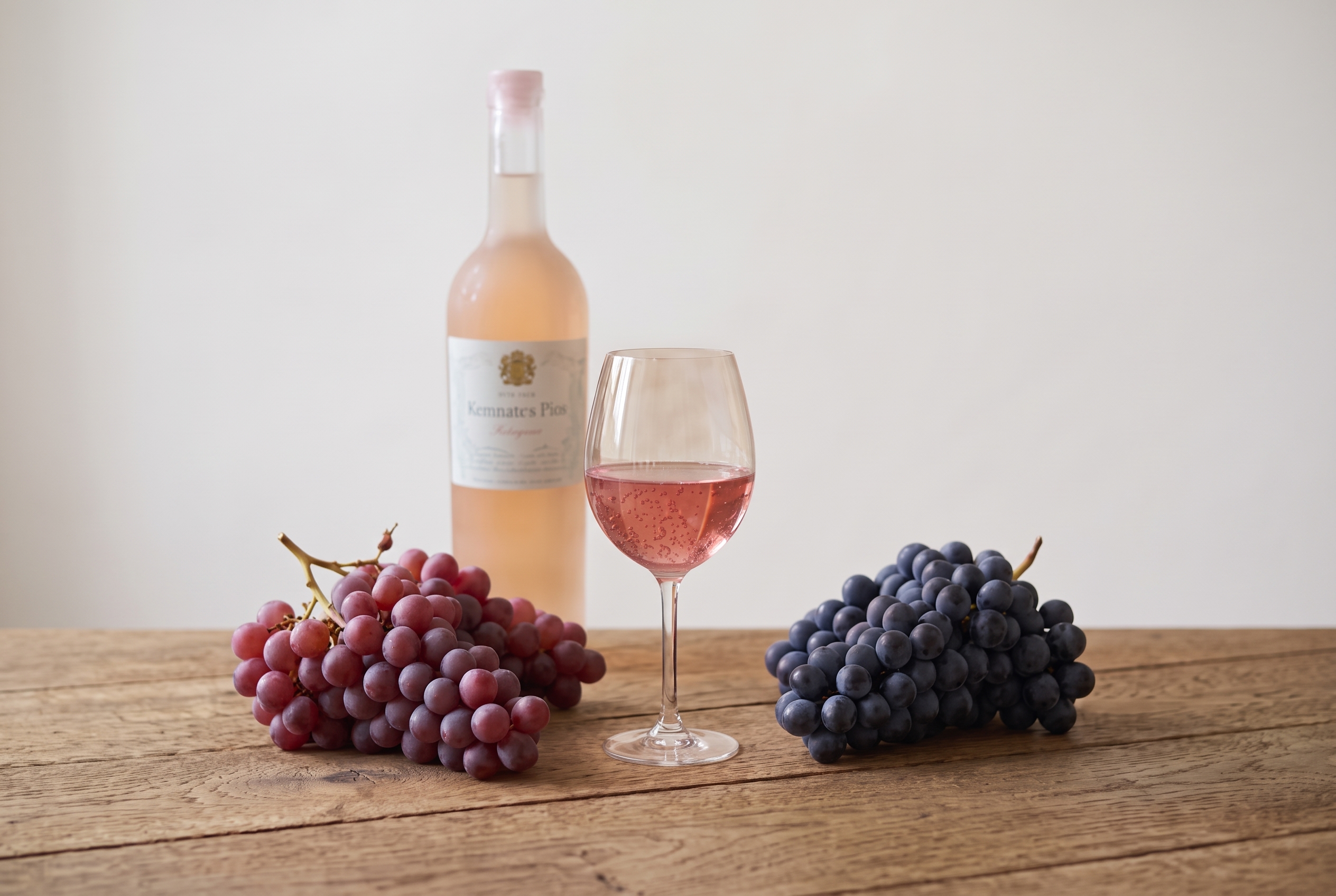
Ask people how rosé wine is made, and many will tell you it’s simply red and white wine blended together. It’s a reasonable assumption, but generally an incorrect one. Rosé gets its signature pink hue from red grapes and one critical decision made early in production: how long the grape skins remain in contact with the juice.
But skin contact is only part of the story. The way the grapes are handled and the wine is produced can shape everything from color and body to flavor and structure. Here’s how the process works.
How Is Rosé Wine Made?
Rosé is made primarily by pressing red grapes and limiting how long the juice stays in contact with the skins. That brief skin contact gives the wine its pink color, while longer contact produces deeper color and more tannin. Most quality rosé is not made by mixing red and white wine.
A good rosé is shaped by a series of decisions that begin in the vineyard and continue through the final stages of production. Together, these choices determine the character of the finished wine, from its color and body to its flavor and structure.
Harvest
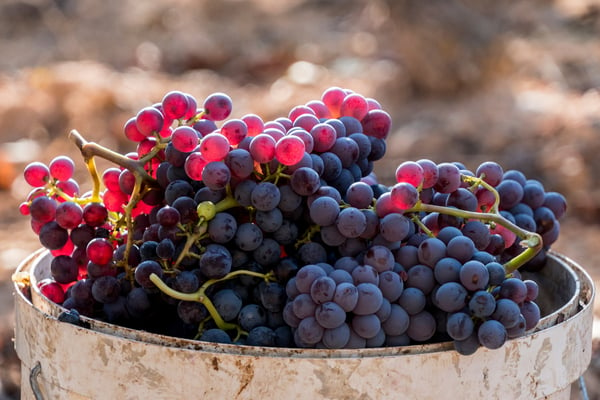
Rosé is made from red, dark-skinned grapes. Harvest timing is critical, since grapes picked too early yield thin, sharp wine, while grapes picked too late lose the acidity that gives rosé its brightness. Winemakers aim to pick at the point where sugar and acidity are in balance, ripe enough for flavor, acidic enough to stay fresh.
Rosé can be made from a single grape variety or a blend. In southern France, Grenache, Cinsault, and Syrah form the classic trio, and blends draw on each for fruit, structure, or aromatic lift. Single-variety rosé takes the opposite approach, letting one grape express itself fully. Grenache is a natural fit: it ripens generously in the Mediterranean sun and, picked at the right moment, delivers bright red fruit with fresh acidity.
Notorious Pink puts that single-variety approach into practice. Made from 100% estate-grown Grenache in the South of France, it showcases the grape’s red fruit character, complemented by crisp, refreshing acidity.
Skin Contact
Color comes from the skins. The juice inside red grapes runs nearly clear, so rosé gets its pink hue through contact between the juice and the grape skins. At this stage, crushing gently breaks the berries open to release the juice. How and when that skin contact occurs varies by production method, and generally, the more contact, the deeper the color.
Winemakers manage that contact through three primary methods: direct press, maceration, and saignée.
Direct Press
The grapes are pressed right away, much like white wine, with only the brief skin contact that happens during pressing itself. This produces the palest wines, the barely-there pinks most associated with Provence. Because the skins spend so little time with the juice, direct-press rosé tends to be dry, delicate, and low in tannin. It's the method behind most of the pale, food-friendly bottles people reach for in summer.
Pale color, however, doesn't mean every rosé tastes the same. Grape variety and ripeness still shape the palate: sun-ripened Grenache from the Mediterranean coast around Béziers and Agde can produce a pale rosé with noticeably more fruit.
Maceration
Maceration is the most common approach and the one that gives the winemaker the most control. Red grapes are crushed and the juice is left in contact with the skins for a set window, often between two and 24 hours, then drained off.
Since color and flavor build with time, the winemaker is effectively dialing in the style by the clock. A few hours generally yields a pale, crisp wine; a full day pulls out more color, more fruit, and a little more grip.
Saignée
Saignée, French for "bleeding," works from the other direction. Instead of setting out to make rosé, the winemaker starts a batch of red wine and bleeds off some of the pink juice early in fermentation. That juice becomes rosé; the red wine left behind, now richer in skins, ends up more concentrated. Saignée juice usually spends longer with the skins, so these rosés run deeper in color, fuller in body, and more structured.
Pressing
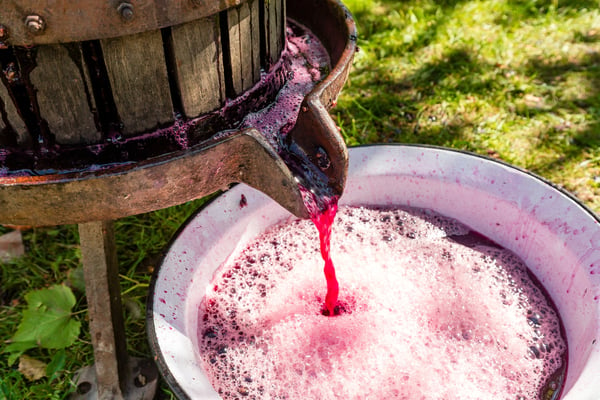
Pressing comes next, extracting the remaining juice from the grapes and separating it from the skins, seeds, and other solids. How gently or firmly the grapes are pressed can influence the wine’s texture, color, and structure.
Gentler pressing typically yields lighter, more delicate juice, while greater pressure can extract more color and phenolic compounds from the skins and seeds. Winemakers carefully manage this step to achieve the style of rosé they’re aiming for. Notorious Pink, for example, is gently pressed to keep its color pale and its aromas delicate.
Fermentation Temperature
Temperature shapes both the aroma and overall style of the finished rosé. Most rosé is fermented at cool temperatures often around 12–16°C (54–61°F), to help preserve fresh fruit, floral notes, and bright aromatics. Fermentation at somewhat warmer temperatures, roughly 17–20°C (63–68°F), can soften that aromatic intensity while bringing forward more varietal character, structure, and complexity.
Vessel and Aging
Where the wine ferments and ages also influences its final expression. Stainless steel is neutral and helps preserve freshness, acidity, and a clean, fruit-forward profile. Oak can add greater texture, weight, and subtle savory or spice notes, depending on the vessel and length of aging. Extended contact with the lees, the spent yeast cells left after fermentation, can further build body, creaminess, and complexity without necessarily adding oak character.
Notorious Pink brings these choices together. It's fermented at low temperatures in stainless steel and aged on the lees, which maintains its pale color, crisp acidity, and delicate fruit aromas.
What is a Winemaking Philosophy?
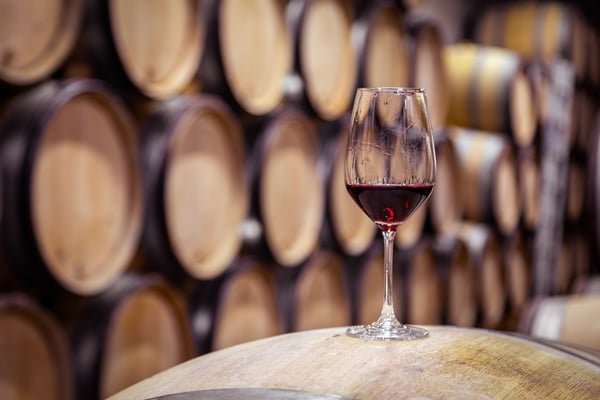
A producer’s philosophy can shape the entire life cycle of a rosé, from how the grapes are grown to how the finished wine is fermented, clarified, and preserved. Some winemakers favor a highly controlled approach designed for precision and consistency, while others seek to intervene as little as possible and preserve a more direct expression of the region, vintage, and fruit. Those choices can show up at nearly every stage of production.
Domaine la Colombette, the estate behind Notorious Pink, is a case in point. Vincent Pugibet, the estate's winemaker, is the fifth generation of his family to grow grapes at the gates of Béziers, facing the Mediterranean. He is widely recognized in France for sustainable viticulture and vineyard innovation, and he brings the same philosophy to Grenache: grow it carefully, intervene as little as possible, and let the fruit and the place come through in the glass.
Here’s how a winemaker’s philosophy influences five key decisions, from vineyard practices to the final steps before bottling.
Farming Practices
Organic, biodynamic, regenerative, and other sustainability-focused practices may reduce or avoid synthetic herbicides and pesticides while emphasizing soil health, biodiversity, and the long-term vitality of the vineyard. Decisions around irrigation, cover crops, canopy management, and harvesting can also influence the quality and character of the grapes before they ever reach the winery.
Notorious Pink's Grenache benefits from drip irrigation fed by a nearby river, delivering water directly to the vines' roots and helping the grapes ripen evenly through hot, dry Mediterranean summers. From there, the grapes are transformed into the signature rosé brought to the U.S. by Notorious Wines.
Yeast & Fermentation
Fermentation may rely on cultured yeasts selected for their reliability and ability to produce particular aromatic profiles, or on native yeasts naturally present on the grapes and in the cellar environment. Native fermentation is often associated with low-intervention winemaking, although it can be less predictable and can require close attention from the winemaker.
Additions & Adjustments
Winemakers can also choose how much to adjust the wine as it develops. Depending on the grapes, vintage, and desired style, they may use nutrients, enzymes, acid adjustments, or other enological tools to guide fermentation, improve stability, or refine aroma, color, and texture. A lower-intervention approach generally seeks to minimize these additions rather than eliminate technique altogether.
For Notorious Pink, that lighter-touch approach extends beyond the vineyard to the cellar, where intervention is kept to a minimum so the Grenache can speak for itself.
Sulfur
Sulfur dioxide is widely used in winemaking to protect against oxidation and unwanted microbial activity, but not every producer adds it. The amount and timing vary considerably: some winemakers use sulfur at several stages for greater stability and consistency, while others limit additions, add it only at bottling, or avoid added sulfur altogether.
Fining & Filtration
Before bottling, rosé may be fined or filtered to improve clarity and stability. Fining helps remove suspended particles or certain unwanted compounds, while filtration physically removes solids and microorganisms. Some producers use both for a polished, stable finished wine. Others minimize or avoid them to preserve more of the wine’s natural texture and character.
Frequently Asked Questions
Why Does the Method Matter?
The production method is one of the clearest indicators of a rosé’s eventual style and character, and ultimately, whether that wine delivers what the drinker is looking for.
Production choices influence body, acidity, texture, aromatic intensity, structure, and how the wine performs at the table. Two rosés with similar color can offer very different experiences depending on how they were produced. Method can also help explain differences in food-pairing versatility, aging potential, consistency, and price.
For producers, each decision carries a trade-off among control, stability, expression, and style. For rosé drinkers, understanding those choices offers a deeper and more meaningful way to evaluate rosé than appearance alone.
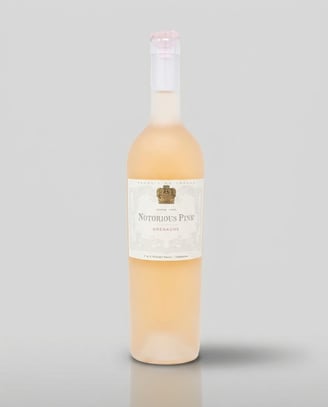 Notorious Pink: A Case in Point
See how these principles show up in the glass: shop Notorious Pink, or find a bottle near you.